90% MENTAL
Shooting is 90% Mental by Chip Lohman.
We generally agree that “shooting is 90 percent mental,” but apply it in very personal ways. When a coach emphasizes the need to focus, for example, one shooter’s interpretation may be to bear down and think harder, while the next may visualize “living in the moment” and relaxing.
From Dr. Keyes: “At the very highest levels, the problems of learning to shoot and how to deal with match pressure have been solved, more or less, but in order to achieve this level, the resolution of these issues has to have been worked out in a deliberate, layered manner that sets a solid base for the next level.
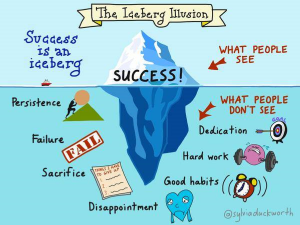
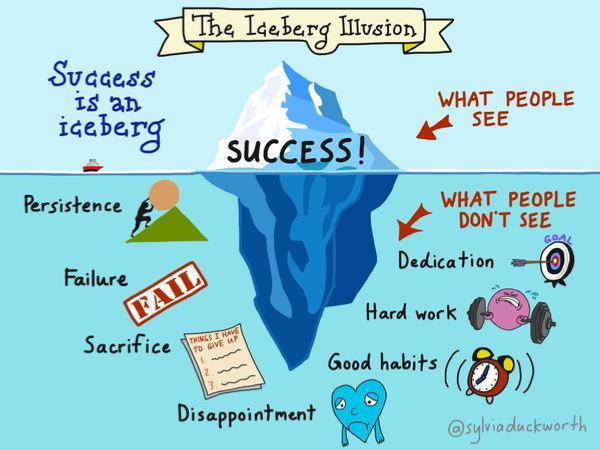
Talent, i.e. a set of physical, mental and psychological attributes that give the shooter a step up on the ladder to success, has a place, but mostly this is a starting point. It takes hard work—work that is specific to the training task, to improve to an elite level.
This is the “ten thousand hours” that you read about, and it can’t be a random amount of work. It has to be focused and deliberate, which means that when you train you have to have goals and a good idea about what is going to help you. After a while the very best shooters have a good idea about what is needed to succeed and their analytic abilities are at a peak.
But even the very best can be helped by a good coach who can help with that incremental increase in training that might make all the difference in the rarified competition that marks the very best.
The bottom line is that you have to work in order to succeed and you have to have the right kind of work, or you are wasting time. If you don’t have a good base of training, all the talent in the world will not help at the edges of your talent when stress becomes the most acute.
MATCH PRESSURE
From Olympic Gold medalist Lanny Bassham: “Here’s a myth—Pressure causes performance to drop. Pressure does not cause your performance to drop. What I learned about pressure was that when you feel the physical effects of pressure, it’s real. You feel an adrenaline rush and your heart rate and blood pressure go up. I’ve seen shooters shoot extremely high scores with their legs shaking. Pressure doesn’t cause your scores to go up or down, but your attitude does. Your attitude is what’s important.”
Good training also seeks to replace panic, a lack of preparation for the brain’s “fight or flight” alarm, with rehearsed options, an approach presented by National Smallbore Champion Ernie Vande Zande in his November 2011 interview where he reflected: “Back in high school, I felt that pressure was normal. I started noticing in speech class that sometimes I got pretty nervous, but I didn’t get nervous every time. Over time, I realized that I only became more nervous on days when I gave a speech, when I felt less prepared. I started thinking about that in relationship to my shooting. It was the same kind of thing: At those times when I wasn’t prepared, I felt more nervous.”
It can therefore be said that nerves/pressure/anxiety purely tie in with athlete preparedness, both technical and physical. If these two areas are lacking, then the mind can falter, however if the technical and physical elements are strong, then the mind will stay positive and supportive.
 It’s up to you where you sit.
Enjoy the challenge
Tricia
COMPETITION MINDSET
IS THE WALL THE PROBLEM?
A number of years ago I had the good fortune of attending a conference conducted by Carol Dwek, and her concepts of how we approach our work and sport is still firmly lodged in my brain.
Carol talked about “mindset” when applied to athletes, coaches, staff, volunteers.
Her concept of Fixed or Growth mindset presented a number of interesting possibilities that I’m sure that all coaches and athletes can utilise.
FM = FIXED MINDSET
GM = GROWTH MINDSET
FM approach…Talent is fixed. nothing can be done to change that—you’ve either “got it or not.”
“I can’t change things”
GM approach…Talent is a malleable quality: a potential that can be developed with effort.. “the harder I work, the more I’ll succeed”
THE MINDSET RULES…
FM ….. “LOOK TALENTED AT ALL COSTS, it should look to come naturally”
GM …. “LEARN, LEARN, LEARN, work hard, effort” EFFORT + TALENT = SUCCESS.
| FIXED MINDSET – a guide | GROWTH MINDSET – a guide |
| Often hide mistakes, has no recipe for recovery from failure, easily give in or blames others | Capitalises on their mistake, works to learn from error, challenges themselves to grow |
| Likes to stay in their comfort zone and only practice the known | Looks for increasing challenges and level of difficulty |
| Failure = loss of confidence and humiliation. Won’t try again. | Failure = temporary setup |
| Often in self-denial…”it wasn’t me” | Attacks challenges and the unknown |
| Genius has expectations, which sometimes leads to extreme actions to save face.. eg cheating | Effort is very positive, uses strategic choice, chooses the difficult task, learns to improve |
| Fixed Mindset Coaches, Officials or athletes do not want feed back from others too much, as it may highlight an error | Happy to take feed-back on board, as a means of self-improvement and willing to share knowledge |
Excellent questions when seeking to determine your personal mindset …ask…
“In your opinion, ability is ___% natural talent and ___% effort and practice”
“How did you get so good at ________”
These types of questions give an indication of mindset. Where do we get our mindset …language – what we believe and value. Remember that a Mindset can be changed over time.
FM praise… “Wow, you are good at this”
GM praise… “Wow, you’ve worked hard to get this process right”
The “MINDSET” approach—where is your mind and where do you sit? Is the wall to be gone over, around or through, or is all too hard. Hmmm more thinking to be done.
Enjoy the challenge
Tricia Van Nus
DRY FIRING with Marcus Raab
Technical Training-Dry Firing
by Marcus Raab
Introduction
Many of us as coaches and/or athletes are impatient. We want results now if not yesterday. We look for and try many different things to improve the performance of our athletes. Some ideas work, others do not and a few work for some athletes, but not all. There are four areas in which a sport shooter requires training; technical, tactical, physical and psychological. Each area has received a great deal of attention by proponents.
Some tout these ideas as the panacea for all sports, “If you use this mental technique…” or “If you play this way…” or “Do these exercises…” you will be successful. Unfortunately, we all know there is no “free lunch” and success depends on diligent preparation in all four areas.
Perhaps the least exciting training event most often given to shooting athletes is dry firing. Shooters often find these exercises boring and pointless. But through dry firing it is possible to train each of the four areas simultaneously.
Theories of learning
Good coaches are good teachers, and good athletes tend to be excellent learners. The way we teach, organize training and give feedback also effects how the athlete learns. In order to improve at anything, one must change and that entails learning. You might wonder how do athletes learn physical skills?
To prepare for the following discussion it would be helpful to briefly review how athletes learn. There are two main theories of learning sports skills:
- a) Mental blueprint
- b) Abstracting rules
- c) Motor program
Previously researchers thought that athletes learned by creating a mental blueprint through repeated practice of the task. This theory could explain how athletes learned very simple skills, but could not deal with complex sports skills.
Now researchers believe that athletes abstract key pieces of information from each performance concerning position, movement, perception of the internal position and the actual outcome compared to the intended outcome based on feedback. The brain synthesizes these “abstracted rules” into general rules called “motor programs.”
This process is a much more efficient way of learning. In the mental blueprint theory you would need thousands of blue prints to perform skills when competing and choosing the correct blueprint to fit a changing situation would be a huge challenge.
The motor program is a complex set of rules that permit an athlete to produce a movement. It is a generalized plan to make skilful movement. The advantage of this theory is that it allows for minor adjustment to the basic pattern even if the selected movement is incorrect.
Stages of Learning
One of the major responsibilities of coaches is to help athletes develop good motor programs. Many factors can affect the learning of motor programs: maturity and experience of the athlete, their motor and cognitive intelligence and their attention capacity and motivation. Learning is relatively permanent improvement in performance arising from practice. Performance is an observable behavior that demonstrates a skill.
There are three stages of learning which form a sort of recycling continuum:
mental
practice
automatic
When you are first introduced to shooting your objective is to understand how to perform correctly; how to hold the rifle, aim, breathe, control the trigger, etc. This is the mental stage, during which the athlete expends a great deal of mental energy to learn the correct technique and strategy. As a consequence of this it is easy to exhaust the athlete by pushing too much too soon. Even with advanced athletes, they will still go through this mental stage when working on improving a specific technique.
During the practice stage the emphasis shifts toward refining the skill through quality practice. The athlete spends more time on this stage than the previous mental stage. The requirement for mental energy is less and the emphasis shifts from learning the sequence to refining timing and coordination. As the athlete learns, he or she will commit fewer errors and performance becomes more consistent.
Highly reliable performance is a characteristic of the automatic stage. As practice continues, the skill becomes more and more automated. Consequently even more free mental energy is available, so much in fact, that it can hurt performance through over analysis.
Shooter athlete training
It should be obvious from the discussion above that if the performance of the athlete is not up to a satisfactory level (whatever that may be) or contains an obvious error, the athlete must change the motor program. That change involves learning new skills to replace (modify) old skills in the current motor program.
How can we train the athlete in the technical aspects of sport shooting? Training technique by actually performing the skill in an environment similar to the competitive setting is the most familiar method.
There are other ways to train technique, observation or mental training. By close observation of the technique of better shooters, observation training can help improve the athletes technical ability or at least provide food for thought. Mental training includes mental rehearsal or visualization of the movement sequences and actions without actively doing them. Do not confuse mental training with the mental stage of learning discussed above.
The most important is activity training with the rifle. For activity training, there are two methods available: dry firing and live firing.
Multiple repetitions of the same correct movements in sequence, either by dry fire or live fire, modifies the motor program. New conditioned responses develop and strengthen and ultimately the automation of movements occurs.
Definition
What is dry firing? Swimmers coined the term dry-land training to describe training that did not take place in the water. While we do not shoot in the pool, dry firing is training (adopting a shooting position and firing a cocked but unloaded rifle) without actually firing live ammunition. It is sometimes part of training at the shooting range, but is more often done at home.
The shooter can detect errors in the technique of firing a shot, especially trigger release, through dry firing training. The athlete also facilitates and reinforces other skills vital to shooting. Despite the fact that such training is not very exciting, most of the best shooters cannot do without it in some form.
Shooting is a sport where the inter-dependence of the individual tasks is high while the complexity of those individual tasks is low. Therefore, by using the whole method of training, the athlete practices all tasks together. Many studies of a number of sports have shown that it is best to train exactly in practice as you would perform in competition, i.e., same equipment, same positions, same techniques, etc. Therefore, this training principle of specificity requires us to:
Dry fire only with the complete shooting equipment
Dry fire using full concentration
Use smaller aiming marks placed at the right height
The most effective system of training is one where the shooter and coach combine live firing with dry firing so that they supplement each other.
- Some coaches advocate dry firing without some parts of the shooting clothing, e.g., without shooting jacket or trousers. It is important to remember that the clothing provides support to the body structure especially the spine in standing. There is some risk to the development of the spine in younger shooters from extended periods of time in the standing position even with the shooting clothing. Therefore, any holding of the rifle in position without the complete shooting equipment should be limited.
Advantages
When live firing is forsaken due to a lack of time, or the range is too far, or ammunition too expensive, dry firing would seem to be something done at home just to stay “in training.” However, there are several aspects to dry fire training that live firing cannot duplicate and can offer other possibilities.
The most important advantages are:
Economical training
When you consider that the time involved in a live fire training session usually consists of a third for travel time, a third for unpacking, packing and preparation and a third for actual shooting, then everyone should be dry firing. By accomplishing training at home, there are no traveling times or costs. The cost of dry fire ammunition is very low. Training times are flexible. The total cost of a dry firing session should approach zero, and that should be economical enough for everyone especially when one can achieve a considerable effect.
Multiple/Frequent Training Sessions
Research in the field of learning and training demonstrates that short and regular periods of practice are more effective than longer periods practiced less often. The athlete receives more benefit from practicing six times per week for 30 minutes each, than for 3 hours once a week. Few of us can go to the range six times each week. Dry firing at home can make up the difference.
Start with about 10 minutes for dry firing, working up to 15-20 minutes for young shooters and 20-30 minutes for advanced athletes. This time should be sufficient to settle into a position and concentrate attention on the position. Individuals work at different speeds, so the coach and athlete must be flexible.
Even five minutes per day will produce noticeable improvements in the physical position and in the sequence of movements.
Some guidelines:
Keep sessions short
Conduct frequent sessions
Have a plan for the session that complements the overall training plan.
Concentration on critical elements
Noise and recoil always accompany live-firing. The shot itself, and whether it hits the ten ring takes up a great deal of attention. Your attention to detail disappears and the score begins to dominate your thinking. In dry firing this goal is absent and you are free to focus on the inner position or other critical elements of performance. It is exactly these finer processes, the balance of muscle tension and relaxation and the athletes control over them that have a significant positive influence on the score in competition.
The development and maintenance of trigger control are good examples. The success of the shot absolutely depends on releasing the trigger at the correct time and in the correct manner. If the trigger release is either too early or too late or accompanied by unintentional body movement, there will be unexplained shots.
Trigger errors during live fire often go unnoticed and their consequences dealt with by inappropriate methods to compensate, i.e., changing the sights, modifying an already good position, etc.
Special conditioning
Special conditioning is the ability to meet the physical demands of a particular sport. The pressure of the sling on the arm and hand in the prone and kneeling positions, the weight of the body on the right foot and ankle in the kneeling position, and the training of the back muscles for the standing position are examples of special conditioning requirements for rifle shooting. The athlete can not acquire these specific skills through general strength or endurance training. They develop only through regular practice of the positions.
In order to improve special conditioning, use longer periods of dry fire, up to or even exceeding the time limits for competition. However, If the training session is too long, there is always the risk of the shooter losing interest. Always stop when you detect any loss of interest or concentration. Without full concentration, poor technique can creep in to the motor program and make a mess of what you have worked hard to accomplish.
Disadvantages
The advantages listed above notwithstanding, do not forget that dry firing has limitations. It is also important not to overemphasize this special form of training and reach the conclusion that it could replace actual shooting. There is no substitute for firing live ammunition and observing recoil. During dry firing, the shooter receives no information about any aiming errors or recoil control (for .22 caliber).
Therefore, it is important to put the discoveries of dry training into practice after one or two dry firing sessions by shooting live ammunition at least once per week.
Another problem sometimes associated with dry fire training is that an athlete may not perform carefully because they do not feel the proper responsibility for the quality of a shot. As mentioned above, incorporating the careless, poor technique into the motor program can cause problems.
The shooter and coach must find the correct relationship between these forms of technical training by not overestimating one or the other, or by neglecting either.
Performance Analysis
One of the main criticisms of dry firing is that there is no feedback as to the performance of the athlete.
Without feedback, shooters may have difficulty assessing how good (or poor) their technique is. A performance analysis system can be the link between dry and live firing, providing feedback in many areas, especially on hold and trigger control.
The use of a performance analysis system (SCATT, Trace 10, laser, etc.) in a dry fire mode can be a major help in determining areas to focus on for improvement. Some systems can operate in a live fire mode, that is while the athlete is firing live ammunition, and can also capture effects of recoil on the body-rifle system.
If a performance analysis system is available, use it. The data collected and its analysis can provide some interesting areas for investigation beyond observation of the hold area and reaction during triggering. For example, analysis of the time between shots (rhythm) and shot value can lead to finding the ideal speed and facilitate the peak performance flow state.
Dry Firing Procedures
The place where you dry fire should correspond as realistically as possible to the conditions on the firing point.
Allocate an area large enough to set up all your equipment. It should also be free from outside disturbances, noise of family, the doorbell and the telephone, etc., at least during the period of actual training.
A rifle rest, table or similar piece of furniture that corresponds to the height of the benches on the firing point is also need for the standing position.
As humans are inherently lazy it is always best to have the rifle and the necessary equipment such as jacket and glove ready at all times. This way the athlete can slip on the jacket, put on the glove and pick up the rifle.
It only takes a few seconds to start training.
Safety
Safety is our most important concern as coaches. Sport shooting has an outstanding safety record and it is up to coaches and athletes together to keep it that way. Some simple safety rules:
Ensure the rifle is unloaded
Absolutely never, under any circumstances point a rifle at any one or any thing
Ensure no loaded ammunition is within reach when dry firing at any place other than an approved range. Use an empty (fired) cartridge case or snap cap to cushion the firing pin fall.
Additional Equipment
When we observe other shooters we see them from the outside, but when we are actually performing we do not see ourselves from that perspective. A large mirror can be an important aid to dry firing. It allows the athlete a view of the shooting position not normally seen. These observations help in the recognition and correction of basic mistakes in the position and/or the sequence of movements. A second mirror in combination can also provide a view of the position from many other angles, which can be very instructive!
A video camera is a more advanced method that has some advantages. First, the athlete and coach can review a tape recording many times, perhaps identifying a problem that might otherwise go undiagnosed.
Second, a camera with a zoom lens can make some amazing pictures available concerning eye usage, triggering or hold control. Limited only by the imagination, a camera is a very useful tool. Once set-up it can run continuously with the athlete either viewing the monitor or having no access to the recorded information until after the session.
The athlete can consciously make changes being adopted and carry them out for a short while without actually changing the motor program. In order to see if learning (a modification of the motor program) has actually taken place, make a video record of the particular aspect of the performance. It will show either that the athlete has drifted back to the old technique subconsciously (old motor program) or indeed that learning has taken place as the new technique (modified motor program) remains stable.
Size of aiming mark
In order to give the correct orientation to the positions, the athlete must have an aiming mark. No matter the distance between the position and the wall, the black spot must be in proportion to the actual target at 10 or 50 meters.
One can determine the size of the aiming mark as a direct proportion. Simulate a 50 meter rifle target by a spot approximately 4.5 mm diameter and a 10 meter target by a 6.1 mm spot when viewed from approximately 2 meters. If the position is farther or closer to the wall, adjust the size of the mark accordingly.
Height of aiming mark
Adjust this provisional aiming mark for all three positions. Determine the correct height of the aiming mark by the height of the rifle muzzle in each position. The easiest way to accomplish this is to have a helper measure the height of the barrel above the floor when in the aiming position at the firing range. By assuming the same position and having the helper measure the height of the barrel above the floor at the dry firing site, find the location of and attach the simulated target on the wall.
Dry firing training
Structure dry firing the same way as real competition. This is a great time to practice those procedures the athlete would use in preparation for actual competition. A pre-competition plan would include a warm-up phase for both the physical body and the mental processes.
Easy jogging on the spot will improve blood circulation. Stretching exercises can eliminate excess tension in the legs, the upper body and the shoulders. Continue physical preparations until you feel you are ready to start.
Give your full attention to making this training event successful. Review the last match or training session. What were the main challenges? What can you do now to find solutions to them?
Use the time for adjusting and preparing the rifle to help focus concentration.
Dry Firing Exercises Internal position
It is human nature to look for a good score rather than to look for sensitive muscle feeling when the shooter fires live ammunition. Dry firing, therefore, is especially good for the development of the inner position.
The position must be built-up carefully, just as one would for competition because the athlete is actually working on the motor program that he or she will use in competition. It makes no sense to train differently because “this is only dry firing.” In order to find the ideal position pay close attention to the feet and legs, hips and upper body, the shoulders, arms and hands. Use the mirror or video to check that the position is also visually correct. Check muscle tension.
Building the position in a dark room forces the athlete to focus on the inner position and body sway developing the critical kinesthetic sense. All positions, even prone, depend on balance. We are constantly working against the force of gravity that will topple us over if we are not in balance with it. For example, the sling counter balances the weight of the rifle. If something does not feel right, try to find a better solution.
Sequence of movements
Concentrate on assuming the position. Observe in the mirror the individual movements that are necessary to bring the rifle onto the target. Check the execution of every component of the movement, the placement of the butt, location of both the left and right elbows, the rotation of the upper body, etc.
When the sequence of movements is satisfactory, modify the speed of the sequence. Assume the position five times as quickly as possible without any loss of precision. Then repeat three times in slow motion. Lastly, repeat it three times at normal speed. These exercises help reduce the expenditure of energy increasing efficiency.
Adjusting the point of aim or zero point
When the position is stable and the sequence of movements in taking up the position is correct, the next task is the precise orientation of the position to the target.
Assume the position and close your eyes. Check the inner position. Now open your eyes, and the sights will indicate the natural point of aim of the position. If it is not close to the target, re-orient the position.
By adjusting the placement of the feet (lateral movement) or altering the buttplate/palmrest (vertical movement) the natural point of aim changes. The point of aim is correct when the rifle points naturally at the target. You should check the point of aim before every shot. Once the feet are in place, the placement of the left elbow is critical. Try five hold attempts, the natural point of aim should be correct 4 of 5 consecutive attempts.
Trigger operation
Probably the most challenging aspect of shooting is to activate the trigger smoothly when the sights centre on the target. Trigger control maintenance and improvement is a constant process.
Even a slight defect in trigger operation will cause the disturbance of the rifle and send the shot out of the intended impact area. Technique should be automatic, without the conscious participation of the shooter. Lets break triggering down into three different steps.
The movement of the trigger
The placement of the finger on the trigger is critical. Movement of the trigger finger can not transmit to the rifle. Any motion will cause wild shots. If you move your index finger quickly back and forth while in position, the rifle should remain motionless. Adjust the trigger lever and practice this until you detect no movement.
The moment of release
When the athlete assumes the position, the initial movement of the muzzle is large. While holding and aiming, the movement slows for a few seconds and then increases again. The athlete must find the moment where the hold is steadiest, activating the trigger at that time. Many attempts are necessary before brain and finger achieve this coordination automatically.
Clean trigger technique
While all other muscles of the body remain motionless only the trigger finger moves. Acquiring this skill and implementing it for every shot in training or competition is relatively simple in dry firing, where there is no reaction of the rifle to the release of the shot. By cocking the rifle and checking whether the sight picture remains the same, release the trigger while continuing to watch the sight picture.
Practice trigger release by dry firing in a darkened room. Focus concentration on the sensitivity and the movement of the trigger finger. Detect and correct even the slightest faults.
Special conditioning
The athlete must be able to hold position for the time required to shoot one shot and shoot the course of fire without a decrease in quality.
Special physical training must promote the development of groups of muscles that accomplish the static work of maintaining the body and gun in the shooting position, e.g., the stomach and back muscles in standing. It must also develop qualities such as the sense of equilibrium and “muscle feeling” or kinesthetic sense.
The best special conditioning training activities are the shooting exercises themselves based on drills with the rifle in a shooting position. The accomplishment of many of these special conditioning exercises happens automatically during the course of dry firing exercises.
Rhythm
Each athlete has an ideal rhythm that suits them. Interruption of this ideal rhythm is sometimes necessary to accommodate varying conditions. For example, a prone shooter may shoot quickly (20 second per shot) with excellent results. However, during a final the athlete will find the pace is much slower, around 2 minutes or more per shot. Train this initially through dry firing.
Equipment adjustment and position refinement
When introducing new equipment to the athletes shooting position or when making a change in technique, the athlete should dry fire. The best way to accomplish objective analysis of the change when teaching a new position or refining an existing one, is through dry firing. Live fire with accompanying recoil can mask important indicators of suitability of the change. Only after the change has passed this stage should it make its way into live fire testing.
Fundamentals
There are several areas that are fundamental to shooting success. Mistakes in the motor program concerning these skills will prevent the shooter from progressing. If there are errors, either found by the coach or suspected by the athlete it is important to work immediately on correcting these skills through dry firing. When introducing young shooters to shooting fundamentals such as breathing, eye usage and follow-through, dry firing is a natural step in the progression of skills training.
Breathing
Learning the fundamental of breath control is easy while dry firing. If an athlete of any level of experience is using incorrect technique the coach should work with the athlete on the correct procedure through dry firing.
Aiming
Train the efficient use of the eyes in aiming as a specific element of performance during dry firing. Adjust the rear sight for the correct eye relief. Center the bull in the front sight, stop breathing and shade the eyes to check the natural point of aim. Relax the body completely, then the eye looks through the rear sight to check the location of the bull in the sights. If necessary, make adjustments to the natural point of aim. Shade the eyes again or focus downrange off the target, stop breathing, take aim, then the shooter fires the shot in 4 – 8 seconds. Using the eyes maximum capacity for short periods in this manner does not overstress them.
Follow-through
Training of follow-through can be very successfully done through dry firing. As there is no noise or recoil, the shooter receives no signal to put the rifle down or to flinch at the release of the shot. The shooter can learn to hold the rifle still in the aiming position for two to three seconds after trigger release. Several short sessions with follow-up by the coach may be necessary to improve this fundamental.
Conclusion
Why should shooters dry fire? From the athlete’s perspective he or she is after all a “shooter,” not a “dry firer.” I asked a friend of mine (a US national team member) if he did any dry firing. Other than one or two dry fire shots to settle the position and test the natural point of aim before live firing, he said that dry firing is “…a monumental waste of time.” On further discussion he did say that he did extensive work with an electronic performance analysis system.
Dry firing as a training tool must be part of every well-rounded training program. Live firing is fun; there is no doubt about that, but by following a few simple principles shooters’ complaints about dry firing will be minimal. Achievement and success in training (and competition) does not come from the quantity but rather by the quality of shots. Dry firing is the fastest way to improve the quality of those shots.
We must also be willing to work with the athlete to make training events not only useful in preparing the athlete for competition but also to motivate them to even higher levels of achievement. It is truly a cycle that feeds on itself. Only by effectively planning and executing training can efforts pay off in long-term dividends.
PROCRASTINATION
PRO…CRAS….TIN….ATION
By James Caan.
Procrastination, AKA the thief of time, is one of the main contributors to the lack of productivity in any scenario. We’ve all done it. Putting off a task and convincing ourselves it’ll all be fine… until we decide to conquer it last minute and cause even more stress.
I think it’s safe to say everybody has experienced this feeling. Whether it’s avoiding a task you don’t really want to do at work or writing an essay at university or train that extra time during the week – for some reason we tend to think that the longer you leave it, the easier it will get. Unfortunately, this isn’t so.
It’s so easy to get distracted by emails, conversations or your friend’s latest Facebook status update, but in the end, you’re just delaying the inevitable; procrastinating will cause more stress and when you eventually get round to it, the lack of time will mean you’re not performing to the best of your ability.
Many people claim they’ve found the cure to procrastination but the truth is, it’s completely up to you. It depends on what kind of person you are. Different people deal with things differently; some people love lists, some people work better to deadlines, other people rely on good working relationships with colleagues.
In an attempt to conjure up my own cure, I asked some people around the office how they deal with procrastination. Why do they procrastinate, when do they realise they’re procrastinating and how do they snap out of it?
Although they were all different, I noticed there was one common denominator in their answers; they all cited the importance of motivation. Everybody agreed that feeling unmotivated is one of the most prevalent reasons behind their procrastination habits. If you’re not motivated to be the best you can be in your role and you spend your day twiddling your thumbs and wishing you were somewhere else then there’s definitely something wrong.
A motivated workforce is an essential component to a successful business and when you’re feeling motivated at work, you’re less likely to procrastinate. Think about how you feel after finishing a great meeting with your boss – you’re ready to take on the world! This shouldn’t stop there. I set up weekly meetings with my team, not only to make sure I know what’s going on, but to ensure they feel appreciated and above all, motivated to work to their best potential.
Through these discussions, I identified three ways to nip procrastination habits in the bud.
Lists, lists, lists
For some people, nothing beats a good list and there’s nothing better than crossing off completed tasks. Planning your day like this can help you avoid misusing your time: a lot of people in the office find that physically writing down 5 things they absolutely MUST do that day means they don’t have time to procrastinate because there’s no way they want to carry over anything over to the next day. By doing this, you have a constant reminder of the tasks you are yet to complete and you also get a great sense of satisfaction crossing out the ones you have done. I have always worked by lists and although my paperwork may look chaotic – it’s mostly organised chaos.
Just DO IT
So you have your list of to-do’s, some easier than others. Naturally, we tend to pick the easiest task first and work our way towards the hard ones. It sounds cliché but it’s true when they say the best thing to do is get the hardest task over and done with first. Don’t let the smaller tasks distract you, tackle the main job straight away and you will leave work feeling accomplished and successful.
It’s easy to put stuff off and say ‘Oh I’ll just wait for X to happen until I start that’ but excuses like this are breeding ground for procrastination. Why are you delaying the inevitable? If you find yourself daydreaming at your desk, take a minute to prioritise your tasks and then just DO IT!
Take a break
This may sound like a perfect example of procrastinating but sometimes, a tea break is all you need. Two of the hardest working guys in the office are known for their 4’oclock chocolate break. Knowing that you’ve earned yourself a treat can be all you need to avoid procrastination. It may sound a little silly, but it works! If your mind is constantly doing overtime, you could be zoning out without even knowing it. Information overload is never good and sometimes a quick break is all you need to refresh and focus.
Ultimately, it’s all down to self-discipline. It’s not a case of ‘just don’t get distracted’ – that’s easier said than done. If you find yourself procrastinating a lot at work, think about which of the above suits you best and remember that the more efficient and effective you are at work, the more likely you are to be rewarded.
On that note, I think it’s time for a break…
A FEW Q&A POSTS
Q. Ring Size. When setting up a new 50m Prone shooter what ring size would you start with as a general rule of thumb. Because everyone’s eyes are different and people see different things
A. A good start is somewhere around 3.8—4.0 with the back at 1.2 It’s also essential have good eye relief with the back sight. Another essential is to ask the shooter how much white they think they can see around the black. In the early stages, the hold may not be tight and the larger sight will help the shooter to define target and sight
Q. New Shooters. We have a few new shooters and juniors in our club and I thought it might be a good idea if there could be an article on the fundamentals of firing the shot, so they would have something to refer to if things are not working for them
A. The TRA Introduction to Shooting series (Part 1 & 2) are good publications for that purpose, and there is good information on the TRA website.
Q: How important is the fit of the hand on the pistol grip / trigger?” Should it be packed out or shaved off to suit? How do you determine if a small medium or large grip is the one for you
A. The short answer—Ideally you would try both—not as easy as it sounds. The purpose of the pistol grip is to position your hand to enhance the trigger finger’s position, resulting in a clean and direct trigger release. The placement of the palm (and size of the grip) is important as a grip that is too small will have the potential for a bent wrist and the fingers wrapped right around the grip possibly causing contact with the clothing as well (not allowed). Too large and the hand will be stretching to control the grip and firearm. Pack or shave?? You bet. No two people have the same hands, and it’s the comfort and control that’s paramount..
Q. Rifle Cleaning. What is the best way to clean my rifle – how often – some of the do’s and don’ts
A. Cleaning the rifle…a few basics from the TRA Introduction to Smallbore shooting Part 2
• Set up all that you will need within easy reach
• Remove the bolt and the sights prior to the barrel cleaning
• Always use a rod guide when using a cleaning rod
• Clean only from the breech end of the rifle
• A toothbrush is a very valuable tool for cleaning those harder to get to places.
• Solvent should be used sparingly.
• See your coach or more experienced shooters for advice and/or a cleaning demonstration
• Ask for a demonstration on appropriate cleaning procedures
Cleaning without solvent – run a cloth patch through the barrel. Change the patch and repeat the process until the patch runs through clean.
Cleaning with solvent – run a cloth patch dipped in a little solvent through the barrel 5 or 6 times, then complete the cleaning with the dry patches as listed above
A brush dipped in a little solvent can also be used on the end of the cleaning rod
Why use the rod guide????
To ensure that no solvent can possibly enter the trigger mechanism area
How often to clean???? The answer to this question has been, and will be debated often… Some will confirm after every match or training session, the rifle should be cleaned, while others will happily leave their rifles for months between cleans. The best view is somewhere in between!!
Have you a question to ask – contact tricia@coachexcellence.net
NUTRITION
Adapted from an article by Jim Pulliam MA, RD, CSSD. USA Shooting
Information
All disciplines of shooting require high mental concentration which requires more nutrients to be delivered to the brain to use as fuel. Mental performance will be best after eating a mixture of carbohydrate, lean protein and healthy fat at frequent intervals throughout the day. This will ensure that blood sugar levels remain stable and provide the body and the brain the necessary nutrients to perform at an elite level.
Follow these nutrition guidelines to improve your mental concentration, cognitive function and reaction time .
Follow a lower fat eating program. In general, eating a higher fat diet generally disrupts cognitive function. Eat a balance of simple and complex carbohydrates. This will help to avoid high sugar spikes which results in improved reaction time. A higher degree of mental concentration uses more carbohydrate.
Eat a balance of protein, carbohydrate and healthy fat at every meal/snack. This will help stabilize blood sugar and will maintain mental and physical energy .
Eat smaller meals and snacks. Smaller portions eaten at frequent intervals help improve performance body composition (increase muscle mass and decrease fat mass), blood chemistry (lipid profile), and provides a steady supply of fuel to the brain for optimal mental focus and cognitive function.
Water is one of the most important nutrients in an elite athlete’s nutrition program. Drinking too little water or losing too much through sweating decreases your ability to train hard and recover properly .
Water does more than just keep you hydrated. For elite athletes, water:
..Acts as a transporter to supply working muscles with the nutrients they need during training
..Helps the body get rid of the waste products resulting from high-intensity training
..Helps the body cool itself during exercise by dissipating heat through sweat
Losing even a small amount of fluid during training or starting a workout dehydrated will make it hard to perform at your best. Fluid losses of 2-3% of an elite athlete’s body weight s for a 150 pound athlete) can lead to lack of concentration and focus. Early fatigue and a longer recovery time are other considerations
Tip: It’s always a good idea to start off your day, whether training or not, by drinking a full glass of cool water. Enjoy it.
MENTAL BAG OF TRICKS
By Tricia Van Nus.
CREATE A SOLID BASE
If the mind is to succeed, then it will do so, after the creation of a solid base of knowledge, experimentation and training. Trying something once and expecting a miracle is just not going to happen. Know your mind and body, train your mind and body, and success is possible.
Develop a sound relaxation technique – perhaps a progressive muscular version, although there are many to choose from. Investigate the internet….
Utilise apps/software that promote, and provide the skills of
- mental control/focus
- autogenic training
- meditation
- yoga
Practice for 10-20 minutes daily, or at least three times per week. These skills may take up to three months to become proficient, however the benefits will be obvious.
BUILDING ON THE BASE
Work towards effective…
VISUALISATION
..seeing yourself shooting in your mind
..have someone take photos of you while shooting
..seeing the range, the colours and sounds
..seeing yourself being successful, and seeing yourself with a sound process
..seeing yourself on the podium – perhaps hearing the National anthem
MENTAL REHEARSAL FROM WITHIN
..knowing the feeling of being in position and firing the best shot
..seeing the foresight picture, and watch it settle through breathing
..feeling the pressure on the trigger
..watching the follow-through
..seeing a central shot hole
POSITIVE SELF TALK
..I can, and I do
..this is what I do best
..use CUE WORDS
my focus is strong…my body is solid….calm is what I am….my training is guiding my competition…my eyes are clear…my mind is strong
These type of CUE WORDS/AFFIRMATIONS help you to recall the good feelings of training, and assist you to push aside those stupid, irrelevant “thought stoppers”
By affirming the solid processes that you know you have, the mind will work with you to make them a reality.
WHILE IN A RELAXED STATE…
Develop strategies – actions/phrases that will quickly pull you back into focus, should something happen to distract you.
Practice matches in your mind – exactly how the match would unfold, what you would see, smell and experience. Always in real time (resist the temptation to speed it up a bit) and follow through with the match, as you want to see it happen.
Trouble shooting – “what would you do if…” When relaxed, it is easy to consider a potential challenge, and determine a very rational solution. If you work hard enough at this process, then should it actually happen in a match, the mind immediately flicks onto “solution mode” – and a potential panic is avoided.
Replay positive solutions, replay positive solutions, replay positive solutions. Confirm your goals, keep the Diary up to date, and work with your Coach on the development of a good Training/Competition plan.
CONFIDENCE BOOSTERS…..
KNOW… – ammo has been matched to rifle
– you have trained hard intelligently
– your equipment complies
– your rifles are in A1 condition
– you are physically fit / mentally alert
– you have a solution to any problem
– your technique is excellent
– you can consistently hit 10’s
– you can read conditions
– you have good routines
– you can achieve your goals!!
HAVE FUN – GO FOR IT!
SWAY IN THE STANDING POSITION
by Carrie Quigley.
Sway is the back and forward movement that is observable in some standing shooting positions. This problem can come from many different areas, including the way the rifle is set up; changes to the zero point; changes to the outer position; or from a lack of balance, (Buhlman, et al, 2008). To overcome sway in your standing position, you need to look at all the possible areas the problem is coming from.
Rifle set up:
Check the rifle and the length of the butt to ensure you are able to reach the pistol grip easily and with comfort. Changes may also be made to the balance point within the rifle, to make it heavier in the butt so you can hold the rifle with more control, (remember though to consider the weight restrictions in the rules).
Changes to the zero point:
If your zero point has altered, the position is holding the rifle onto the target unnaturally. This will lead to a compromise in the stability of your position. Check the zero point (as discussed in a previous article) and make the necessary changes.
Changes to the outer position:
Turning the toes outward or inward slightly can help with sway. To work out what works best for you, try out different positions with your feet, close your eyes, and make your decision based on which position gives you the best feeling for stability. It may help to have someone watch you from behind and give you feedback on their observations.
Balance:
It is a natural for the human body to sway slightly when standing; and that the mechanism within the calf muscle that helps us maintain an upright position also contributes to a gentle sway, (Loram et al, 2009, Fitzpatrick and Gandevia, 2005). The implication of this for rifle shooters is that sway is an inevitable part of standing, and that exercises need to be introduced to reduce the impact of this.
Some training drills to help improve your balance include:
- Holding exercise, 1 – begin holding the rifle in the standing position with no extra support from the shooting clothes, then put on shooting boots and pants and continue holding. Next, put on the shooting jacket. The position is slowly built up and moves from a less stable position to more supported with the shooting clothes. The body has to work hard to stay balanced when there is no support from the shooting clothes. This exercise can last for 15 minutes.
- Holding exercise, 2 – stand in the shooting position with shooting clothes on. When you have found your zero point, you are ready to begin the holding. Take your normal time to get into your shooting position, then when you place your head on the cheek piece, relax and slowly breathe out and close your eyes for the time it is comfortable to be without breath. Focus on being as still as you can and on maintaining balance, as well as on the muscles, and the inner position. This exercise can last for 15 minutes.
- Holding exercise, 3 – holding in the standing position on unstable blocks (rockers). · Muscle strengthening exercises – joining a Pilates or yoga class, or develop a physical exercise program that improves the strength of the abdominal muscles, which are important in holding the standing position stable.
- Shooting at a thin vertical line instead of a normal round target can further increase awareness of balance, hold and aiming.
The use of a stand as a visual cue of your stability can be helpful for some people. You may be able to see if you are moving as you will have the comparison of the stand.
Happy Training.
References
Buhlmann, G., Reinkemeier, H., Eckhardt, M., Murray, B., Bindra, A., Hecker, M., (2008) Ways of the Rifle, MEC, Dortmund, Germany. Fitzpatrick. R.C.,
Gandevia, S.C., (2005) Paradoxical muscle contractions and the neural control of movement and balance, J. Physiol, 564.1, p2
Loram, I.D., Magnaris, C., Lakie, M., (2009) Paradoxical muscle movement during postural control, Medicine and Science in Sports and Exercise, 41 (1) pp 198-204.
-
SUCCESS IS A CHALLENGE